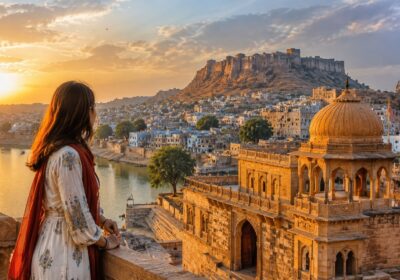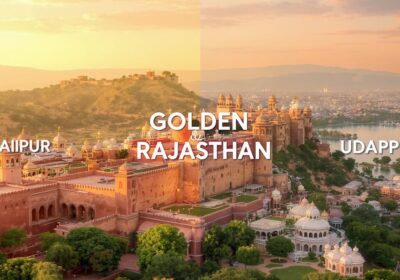
Three weeks is a long time in one state in India, especially when you begin to plan a trip to Rajasthan. The days pass quickly between fortresses, palaces, deserts, and the distances between the cities. The majority of newcomers to the region underestimate this and get it all in too short of a time. If that sounds like a bad idea, at least consult a travel agency in Jaipur before booking a travel plan, though, just to get an idea of how to allocate one’s time throughout the day.
1. First Week: Jaipur, Pushkar, and Udaipur
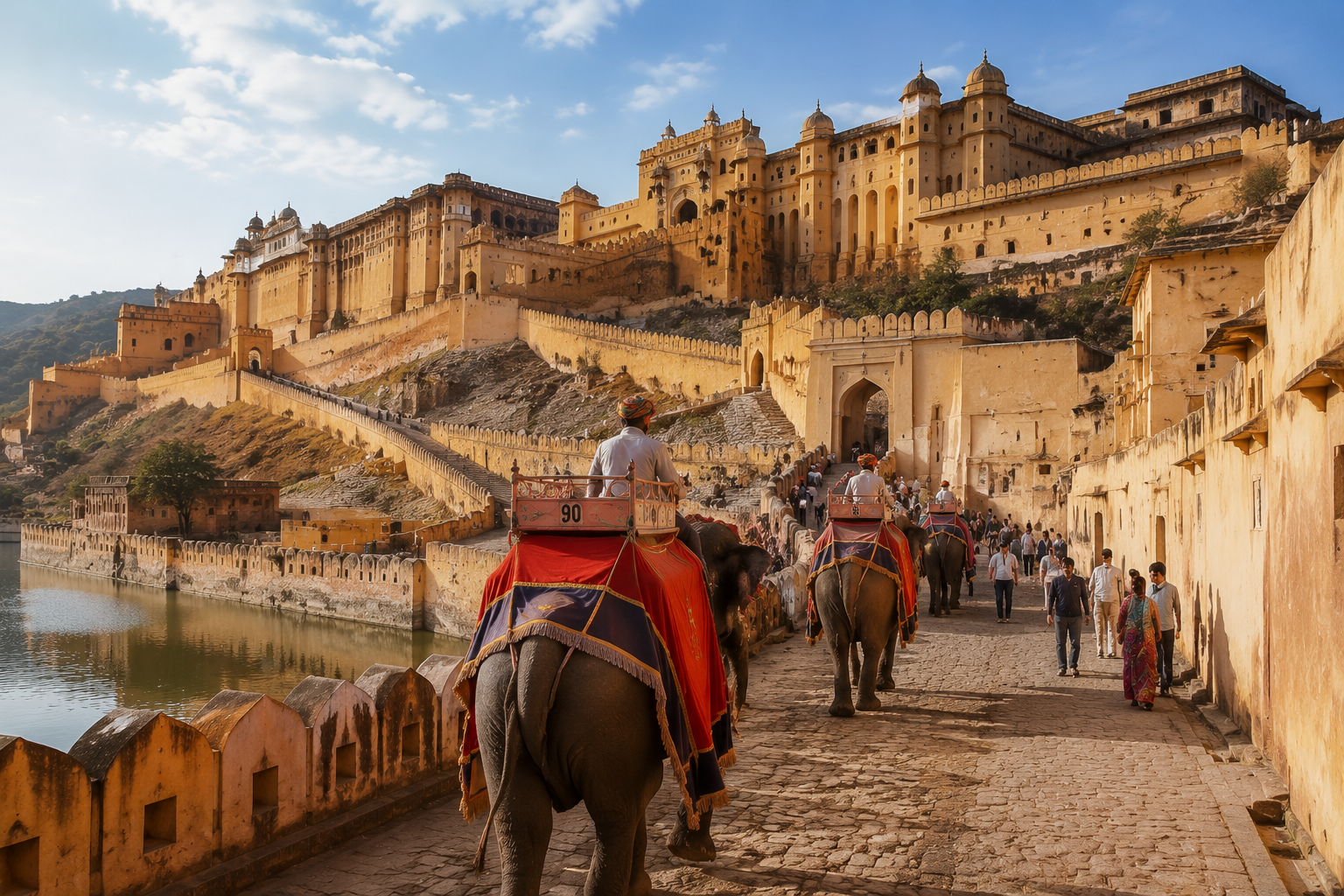
Most people begin at Jaipur, and it really does deserve the three or four days they are allotted. Amber Fort is a different place when it’s in the morning light than it is in the noon hour when everyone’s in the crowd. Of course the City Palace and the Hawa Mahal stand out, but just wandering through the old city’s markets is where the old city’s texture shows: hand block-printed cloths, gemstone shops, and blue pottery stalls run by the same families for generations.
Then Pushkar provides a nice slow-down point. It is small and quiet compared to Jaipur, and the lake brings to the town its own pace. Then there’s Udaipur, the city that’s either too sexy or too sophisticated. In either case, it’s hardly a bargain to spend an evening on a rooftop overlooking the lake as the sun sets.
2. Second Week: Jodhpur, Jaisalmer, and the Desert
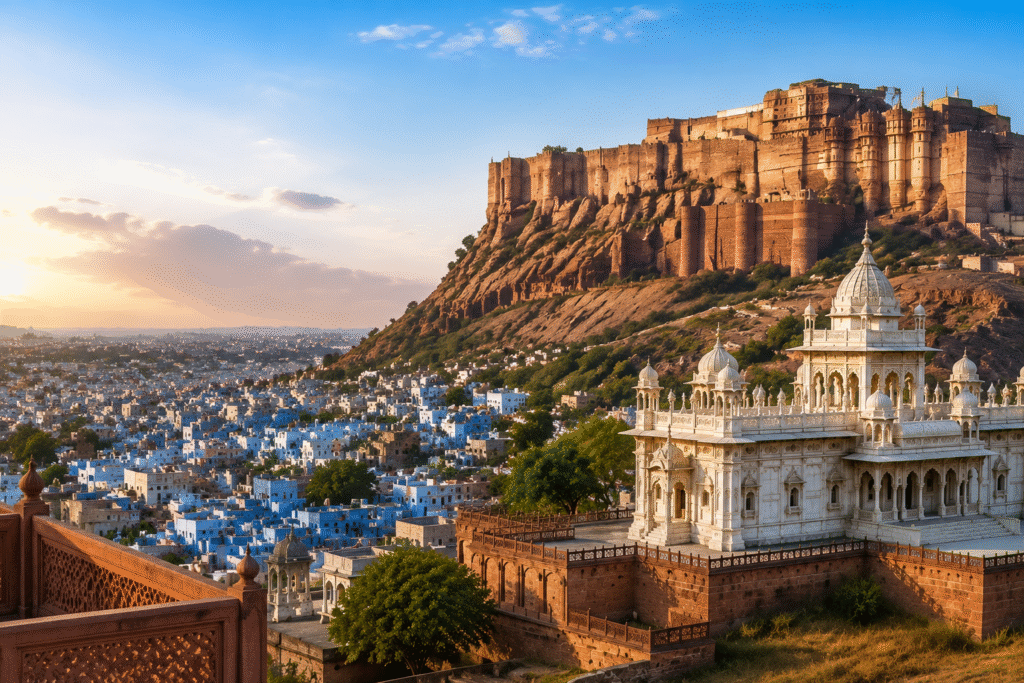
This is where it begins to sound like Rajasthan in all the people’s minds. Jodhpur’s old city is actually blue, and Mehrangarh Fort, which sits on top of it, is one of the more impressive forts in the country. In Jaisalmer, however, it is a bit more unusual, as residents of the city really do live inside the fort walls.
This is typically the best part they recall of their desert experience. A trip out on a camel towards the dunes near Sam, followed by a nighttime camp under a starry sky, with many more stars than most people see in their night sky. It is touristy because everyone does it, but it’s touristy for the right reason.
3. Third Week: Bikaner, Mount Abu, Ranthambore
After the third week, a change of pace is beneficial. Bikaner is less busy and popular than the other cities, and Junagarh Fort has a different kind of ‘hive’ atmosphere. The only exception is the hill station of Mount Abu, whose air is cooler and which has the Dilwara Temples, carved in marble so smooth it is hardly possible for them to have been carved by hand centuries ago.
Ranthambore ends the day on a high note, particularly for those who wish to see a tiger. Safaris are not guaranteed to see anything, but that doesn’t deter anyone from stopping by the park to see it.
4. Few Practical Notes
A few tips on making bookings:
- October to March is a busy time, so please make your reservations in advance.
- Plan buffer days; distances between cities will be longer than what appears on the map.
- Crowd numbers can change dramatically on local festivals, so be sure to check the calendars in advance.
- Hot afternoon and cold night
- Dress accordingly for desert areas.
The best tour operators in Jaipur also know these things better than any guidebook; they live in the same world as you do and know the roads, the weather, and the hotel availability, as it happens. This sort of local knowledge typically will make or break a brilliant or stressful trip. We’ve created routes such as these at Wetours for very different travelers; some wanted more time to take photos, and others more time to slow down around the food or history. The above itinerary is a great foundation but should be flexible according to what is important to you.
CONCLUSION
Three weeks is the time that Rajasthan really requires. Scans the population, leaving his or her eyes flurried with a variety of fortresses that cannot be distinguished. Rushes into the population, and then nothing but blur after. If the planning aspect of it seems like too much work, a good tour planner in Jaipur can do that for you and give you the freedom to concentrate on the aspects that you want to concentrate on and what exactly you want to hang around with.