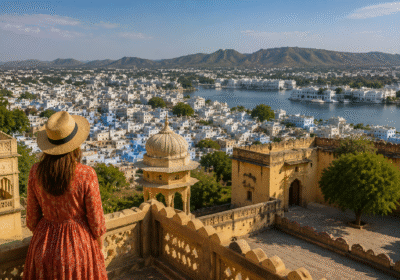
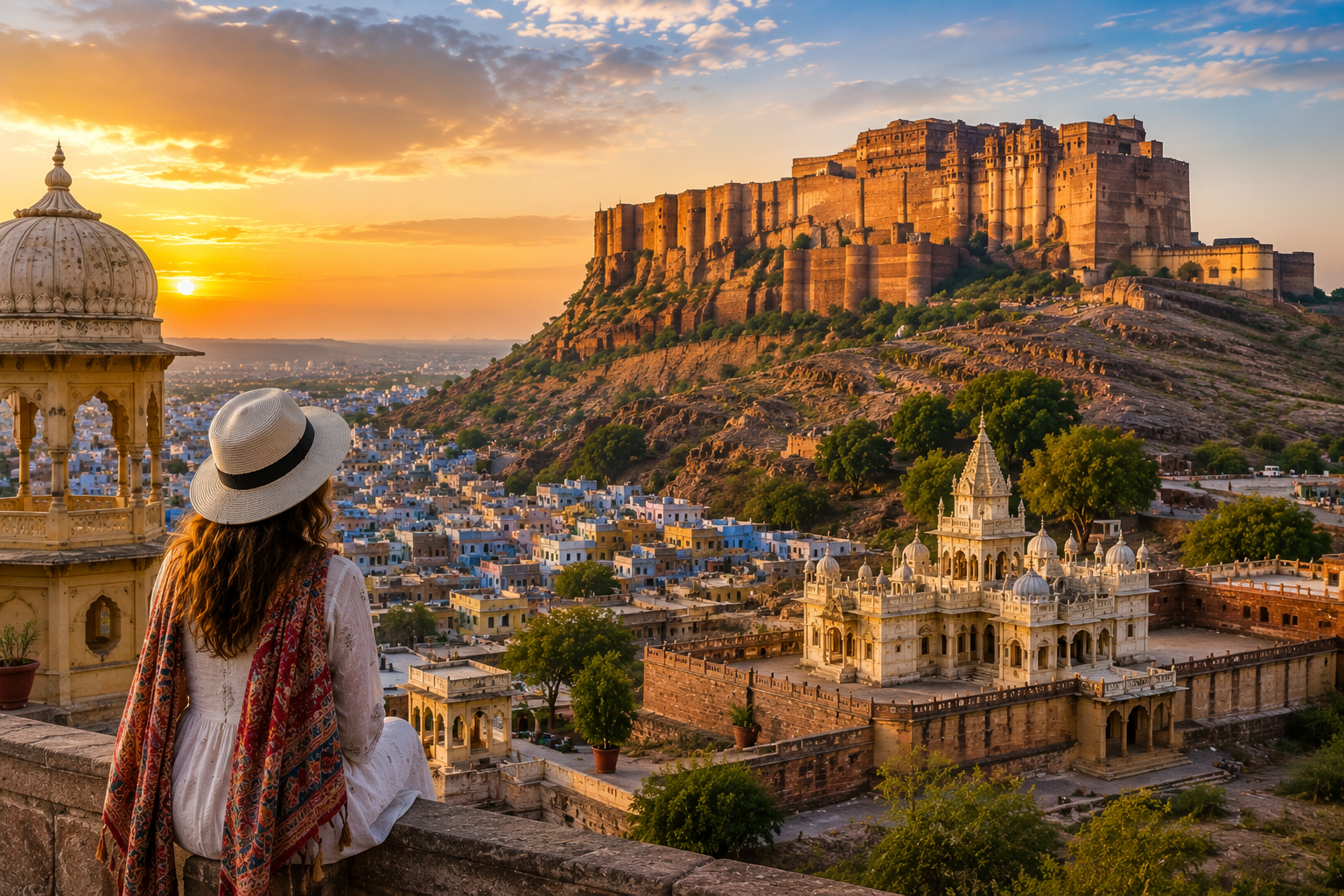
There’s a moment that catches almost everyone off guard the first time they step into a Rajasthan fort. Standing in a courtyard where kings once held court, looking up at stone walls that have outlasted centuries of siege and sun, it’s not something a photo can really capture. You have to be there yourself, picturing what these places looked like when they were full of actual life instead of tourists holding phones. Getting the timing right matters here, and one of the best tour operators in Jaipur can usually tell you exactly which hour makes a place come alive versus which hour just means standing in a crowd.
1. Forts That Refuse to Feel Like Museums
Most people walk in expecting the usual roped-off displays, hushed voices, and a bit of a sterile feeling. Rajasthan doesn’t really do that.
- Jaisalmer Fort—Still lived in, with families running shops and guesthouses inside walls that are close to a thousand years old.
- Mehrangarh Fort, Jodhpur – Sits so high above the city that the Blue City below looks almost unreal once you’re on the ramparts.
- Amber Fort, Jaipur – Blends Hindu and Mughal design in a way that quietly tells its own story.
- Everyday life inside the walls—These aren’t frozen displays; they’re places people still actually live and work.
A guide reciting a list of dates is one kind of experience. Someone who stops at a single carving and explains why it’s there, why that detail mattered to whoever built it—that’s a completely different one.
2. The Palaces Did More Than Just Look Beautiful
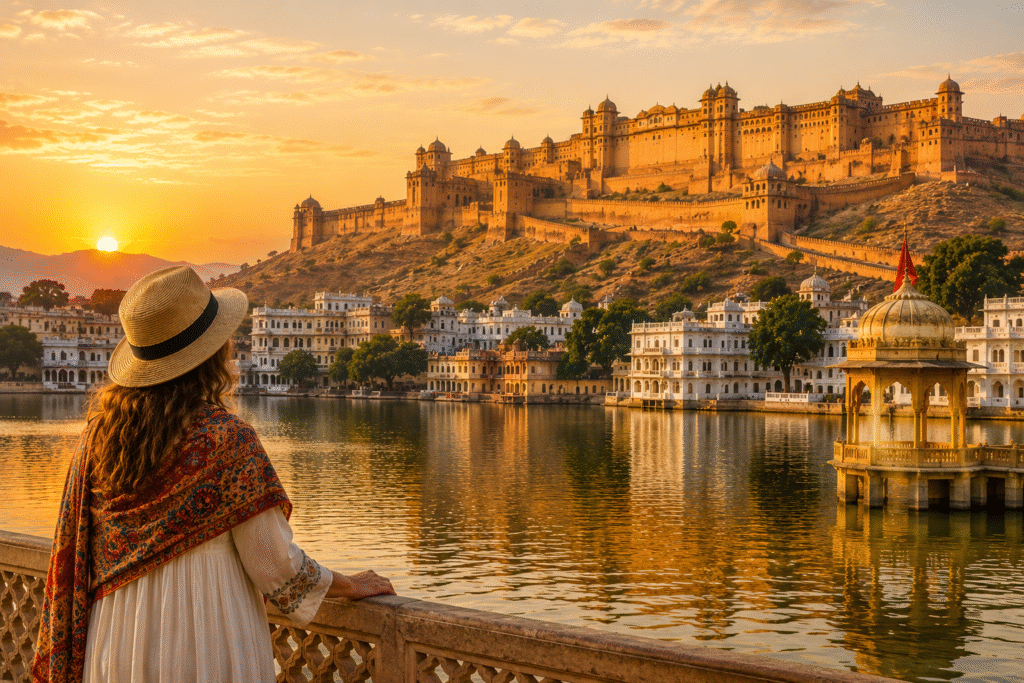
Udaipur’s lake palaces get most of the attention, and they’ve earned it, floating structures that feel more like a painting than an actual city. But palaces across Rajasthan weren’t built purely for looks. Their layouts served real political and defensive purposes too, and knowing that turns a pretty building into something with actual weight behind it. At Wetours, this is usually the kind of detail that turns a routine sightseeing stop into something people still talk about weeks later.
3. Why Getting the Planning Right Actually Matters
Heritage sites across Rajasthan aren’t clustered close together, and timing shapes the experience more than most travelers expect. Show up at the wrong hour, and you spend your visit dodging crowds instead of taking the place in. Someone who knows the routes well can tell you which forts empty out by late afternoon and which are worth getting up early for.
A solid heritage-focused itinerary usually includes the following:
- Real time at each fort instead of a rushed hour ticking a box
- A knowledgeable local guide instead of a generic recorded audio tour
- Room to skip a site that doesn’t interest you in favour of one that does
- Transport scheduled around light, since these forts look completely different at golden hour
4. Finding Someone Who Actually Understands the Appeal
A heritage-focused trip through Rajasthan doesn’t look like a standard sightseeing checklist. It starts with a real conversation about what actually interests the traveller: architecture, history, photography, or simply standing somewhere old and letting it sink in. That conversation decides which forts get a full day and which get skipped, instead of forcing everyone through the same fixed route.
Final Thoughts
Rajasthan’s forts and palaces hold onto something a lot of heavily visited places have lost, a real sense of history you can touch instead of just reading about it on a plaque. Seeing it properly takes some planning, the right timing especially, and enough patience to stand in a courtyard and take it in rather than rushing to the next stop. A best tour and travel agency in Jaipur can take care of that groundwork so all that’s left for you is standing there and absorbing it. Get that part right, and Rajasthan stops feeling like a checklist of monuments and starts feeling like exactly what it is, a genuine window into royal India.